
Fresh Flavors at Farmers Market Cafe
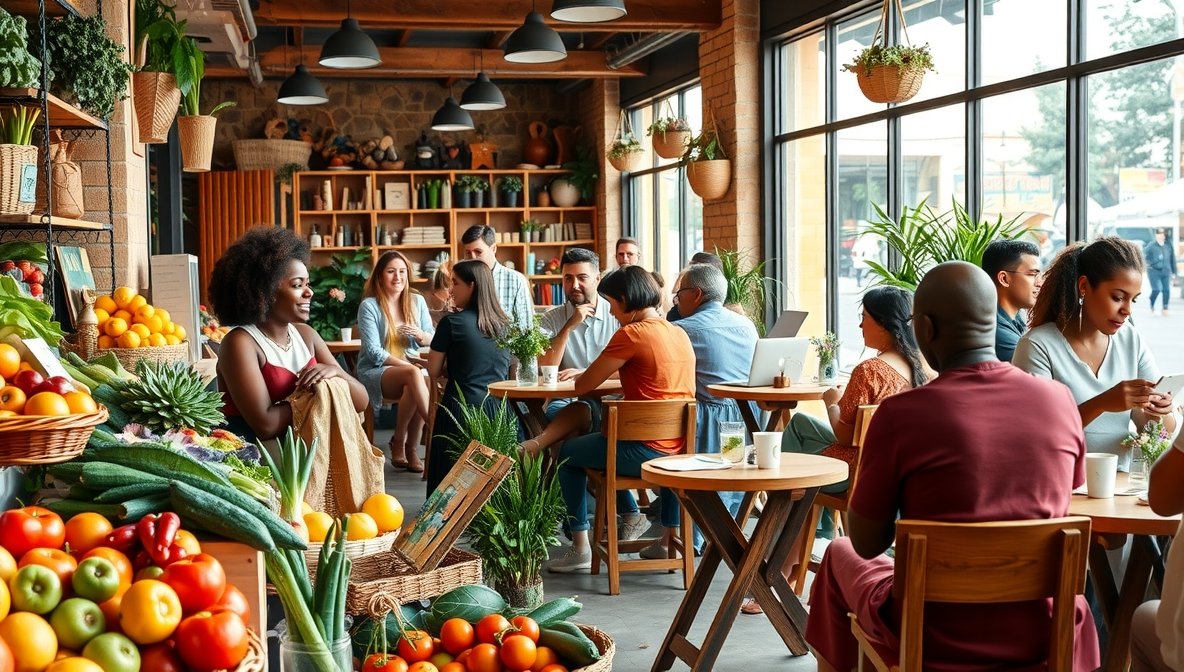
Have you ever walked into a place where the food feels alive? That is the feeling you get when you step into a Farmers Market Cafe. It’s not just about coffee or quick snacks. It’s about freshness, stories, and a real connection with the people who grow and prepare your food. Unlike fast-food chains where everything tastes the same, these cafes are full of surprise. The menu changes with the season, and every dish has a taste that feels like home.
When I first visited one, I was amazed. The bread was warm, the vegetables had real flavor, and even the simple salad felt special. That moment made me realize why people love them so much. In this article, we will explore what makes a farmers market cafe unique, why it matters for health, community, and environment, and how you can enjoy one near you.
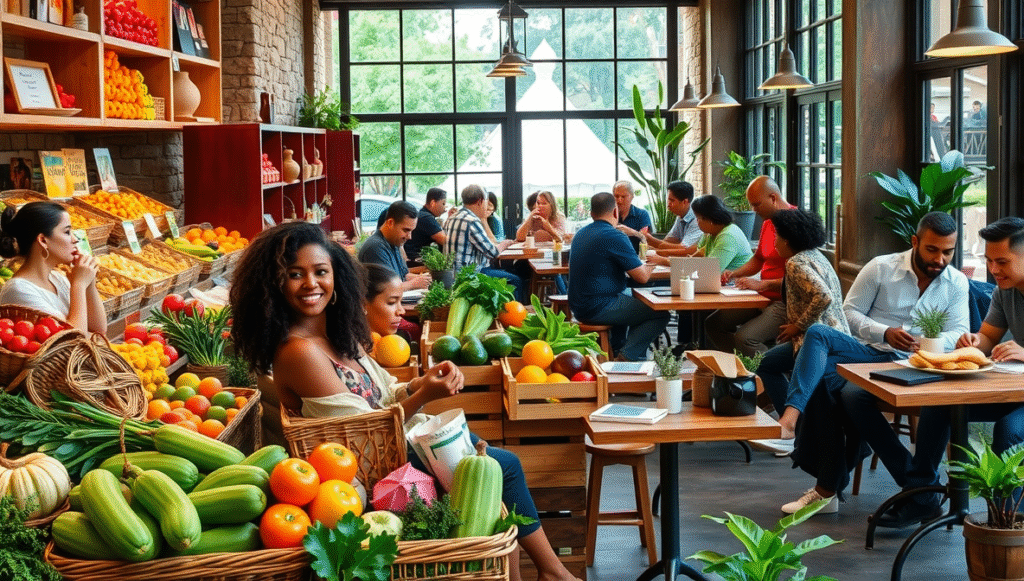
What Makes a Farmers Market Cafe Special?
The first thing you notice is freshness. Cafes linked to farmers markets often buy their produce directly from local growers. That means the tomatoes are picked just hours before you eat them, not shipped for weeks across the country.
Another thing is variety. Because the menu follows the season, you never get bored. In summer, you might enjoy juicy berries and colorful salads. In fall, hearty soups and pumpkin bread take the spotlight. Winter brings comfort foods like warm stews, and spring bursts with greens and herbs.
But beyond food, there’s also the atmosphere. These cafes feel warm, friendly, and close to nature. You often meet the farmers themselves, who are happy to share stories about how the food was grown. Eating here is more than filling your stomach—it’s a full experience.
Fresh Food, Better Health
One of the biggest reasons people love a farmers market cafe is health. Freshly picked fruits and vegetables hold more nutrients compared to those that sit in trucks or warehouses. When food doesn’t travel far, it keeps its natural vitamins and minerals.
For example, I once tried a carrot salad at a small cafe by the local farmers market. It tasted sweet, crunchy, and completely different from store-bought carrots. That’s because it was harvested the day before.
Eating fresh food also means fewer preservatives. Most dishes are homemade, avoiding heavy processing. You end up eating meals that not only taste better but also give your body the fuel it truly needs.
Supporting Local Farmers
When you spend money at a farmers market cafe, you’re not just buying food—you’re supporting real people in your community. These cafes often partner with small farmers, beekeepers, bakers, and dairy producers.
Instead of sending money to large corporations, your purchase helps a farmer buy seeds, care for animals, and continue growing food. It’s a cycle of support. The farmer provides quality ingredients, the cafe prepares delicious meals, and customers enjoy food they can trust.
I once spoke with a farmer who sold eggs to a local cafe. She said it felt rewarding knowing people enjoyed meals made from her farm. That personal link makes the whole process meaningful.
Eco-Friendly Dining
Another great thing about these cafes is their focus on sustainability. Since the ingredients are local, food doesn’t travel thousands of miles on trucks, ships, or planes. That means less fuel and fewer carbon emissions.
Many farmers market cafes also use eco-friendly packaging, compost food waste, and even recycle cooking oils. Some cafes take it further by growing herbs in their own small gardens or using solar energy for cooking.
When you eat here, you’re not only helping your health—you’re also helping the planet.
The Community Experience
Unlike busy city restaurants, a farmers market cafe feels like a community hub. People come not only to eat but also to connect. You might run into neighbors, meet local artists, or join small events like cooking classes and live music nights.
I once joined a bread-making workshop hosted by a farmers market cafe. It was simple, fun, and I left with not only fresh bread but also new friends. That’s something you can’t find at a fast-food chain.
Cafes like these build a sense of belonging. They remind us that food is not just fuel but also a way to bring people together.
Seasonal Menus Bring Joy
A big part of the charm is the ever-changing menu. Unlike restaurants that serve the same thing all year, a farmers market cafe adjusts to what’s fresh and available.
- In summer: Fresh smoothies, berry pies, garden salads.
- In autumn: Pumpkin soup, apple cider, roasted root veggies.
- In winter: Hot chocolate, hearty stews, homemade bread.
- In spring: Herb omelets, fresh peas, strawberry tarts.
Every season brings something new, and that makes dining exciting. It feels like nature itself writes the menu.
Personal Experience at a Farmers Market Cafe
The first time I sat in a farmers market cafe, I ordered a simple breakfast: scrambled eggs, toast, and a side salad. It might sound ordinary, but the taste was extraordinary. The eggs were bright and rich, the bread was baked that morning, and the salad was fresh from the field.
As I ate, the cafe owner came over and shared how the eggs came from a nearby family farm. That small detail made the meal feel even more special. I left the place not just full, but inspired.
Since then, whenever I travel, I look for cafes connected to farmers markets. Each one has its own personality, but they all share the same heart—freshness, care, and community.
Why Farmers Market Cafes Are Growing in Popularity
In today’s world, people are tired of mass-produced food. More and more, we want meals that are fresh, real, and trustworthy. That’s why farmers market cafes are becoming so popular.
They bring together the best of both worlds: the creativity of a restaurant and the honesty of a farmers market. For many people, it’s not just about eating—it’s about choosing a lifestyle that values health, local farms, and sustainability.
Tips for Visiting a Farmers Market Cafe
If you’ve never been to one, here are some tips to make the most of your visit:
1. Go with an open mind
The menu might not have your usual favorites, but trying seasonal dishes is part of the fun.
2. Talk to the staff
Ask where the food comes from. You’ll learn amazing stories about the farms and the people behind them.
3. Visit often
Since menus change with the season, going back every few weeks gives you a whole new experience.
4. Support beyond food
Many cafes also sell homemade jams, bread, honey, or crafts. Buying these helps support local makers.
5. Share the experience
Bring friends or family. It’s not just a meal—it’s a memory worth sharing.
How Farmers Market Cafes Inspire Home Cooking
One hidden benefit of visiting these cafes is inspiration. After tasting a fresh, seasonal dish, you often feel motivated to cook with local ingredients at home.
I remember trying a beetroot salad topped with goat cheese and walnuts at one cafe. It was so good that I asked for the recipe. Since then, I’ve made it many times in my own kitchen.
That’s the beauty of fresh food—it makes cooking exciting again. Instead of relying on pre-packed meals, you start looking for seasonal vegetables, baking your own bread, or making soups from scratch.
A Future Built on Freshness
Looking ahead, I believe farmers market cafes will only grow in number and importance. As people care more about wellness, climate, and food quality, places that connect farmers and eaters will thrive.
They remind us of something simple but powerful: food tastes best when it’s fresh, local, and made with love. Whether you’re grabbing a quick coffee, enjoying a full meal, or just sitting with friends, a farmers market cafe gives you more than food—it gives you an experience.
Conclusion
The world is full of restaurants, but very few make you feel the way a farmers market cafe does. It’s not just the taste of the food—it’s the freshness, the connection to local farmers, and the joy of being part of a community. Every bite carries a story, and every visit feels personal.
If you’ve never been to one, I encourage you to try. Step into a place where food feels alive, where people care, and where every season brings new flavors. You’ll not only discover amazing meals but also find a deeper respect for the land, the farmers, and the simple joy of eating well.
FAQs
1. What is a farmers market cafe?
A farmers market cafe is a small restaurant or coffee shop that uses fresh, local, and seasonal ingredients, often bought directly from nearby farmers markets. The food is fresher, healthier, and usually changes with the season.
2. How is a farmers market cafe different from a regular cafe?
Unlike regular cafes that rely on bulk suppliers, a farmers market cafe focuses on local produce. This means meals taste fresher, menus are seasonal, and you can often trace your food back to the farm it came from.
3. Why should I eat at a farmers market cafe?
Eating at one supports local farmers, reduces your carbon footprint, and gives you meals packed with flavor and nutrients. Plus, the atmosphere is often warm and community-focused, making dining more personal.
4. Do farmers market cafes only serve vegetarian food?
Not always. While many dishes highlight vegetables and fruits, most farmers market cafes also serve meat, dairy, and baked goods sourced from local farms. The menu usually has something for everyone.
5. Is the food at a farmers market cafe organic?
Some cafes use certified organic ingredients, while others use naturally grown produce that may not be officially certified. Either way, the food is typically free from heavy processing and chemicals.


